

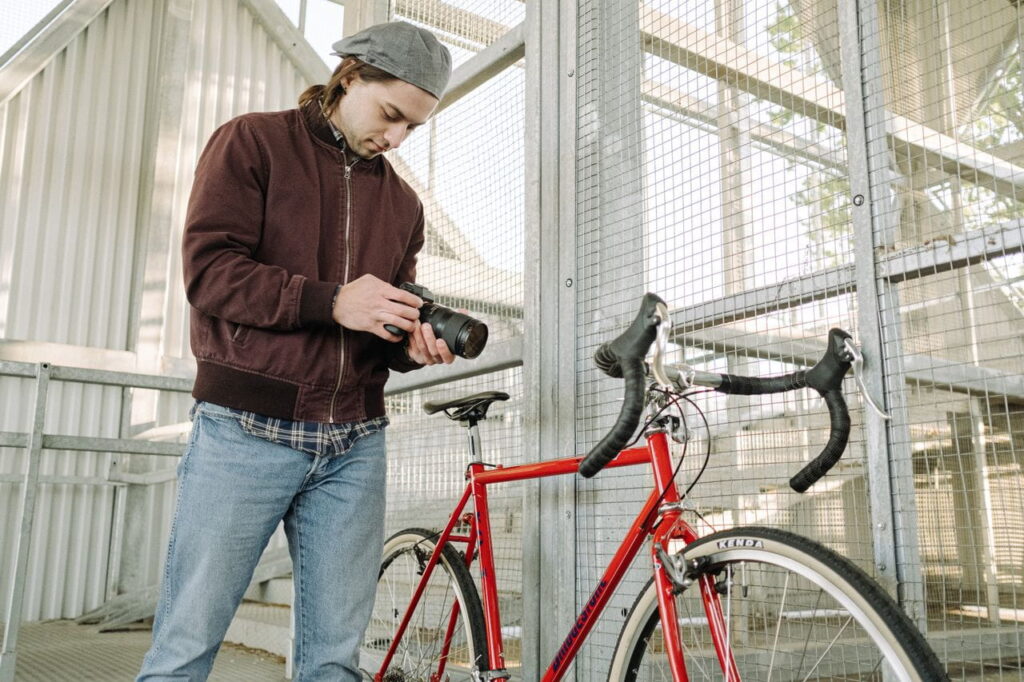
Buying a second hand bike can be one of the best ways to save money and get a better-quality bicycle for your budget. Whether you are looking for a road bike, mountain bike, hybrid bike, electric bike, folding bike or children’s bike, the used bike market can offer excellent value.
However, it is important to know what to check before you buy. A bike may look great in photos but still have worn parts, hidden damage or expensive repairs waiting around the corner.
This used bike buyer’s guide explains how to choose the right type of bike, how to check the condition, how to avoid buying the wrong size, and what questions to ask before making a purchase.
Second Hand Bike Buying Checklist
Before buying a used bike, check the following:
- The frame for cracks, dents, rust or signs of damage
- The wheels for wobbling, loose spokes or worn rims
- The tyres for cracks, cuts, bulges or low tread
- The brakes for stopping power and worn pads
- The gears for smooth shifting
- The chain and cassette for rust, stretching or heavy wear
- The suspension for leaks, stiffness or unusual noises, if fitted
- The frame number and proof of ownership
- The bike size and riding position
- The overall price compared with similar second hand bikes
A used bike does not need to be perfect, but any repairs should be reflected in the price.
Is Buying a Used Bike Worth It?
For many riders, buying a second hand bike is absolutely worth it. New bikes can lose value quickly, while used bikes often allow you to buy a better frame, better components or a more recognised brand for the same budget.
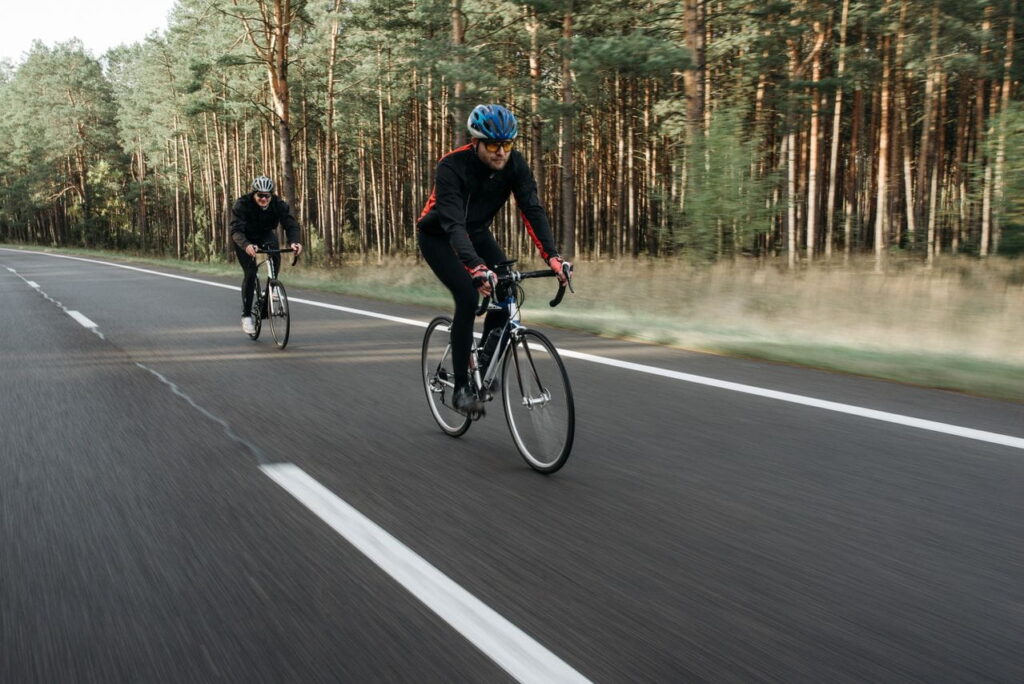
- New to cycling and want to keep costs down
- Returning to cycling after a break
- Looking for a commuter bike
- Buying a child’s bike that may be outgrown quickly
- Upgrading from an entry-level model
- Looking for a higher-spec road, mountain or electric bike
The key is to choose carefully. A well-maintained used bike can offer years of reliable riding, while a neglected bike may need immediate repairs.
What Type of Used Bike Should You Buy?
The best second hand bike depends on how and where you plan to ride. Before looking at individual bikes, think about your main use.
Will you be commuting on roads? Riding off-road trails? Cycling with the family? Training for fitness? Carrying luggage? Using public transport as part of your journey?
Once you understand your needs, it becomes much easier to choose the right bike type.
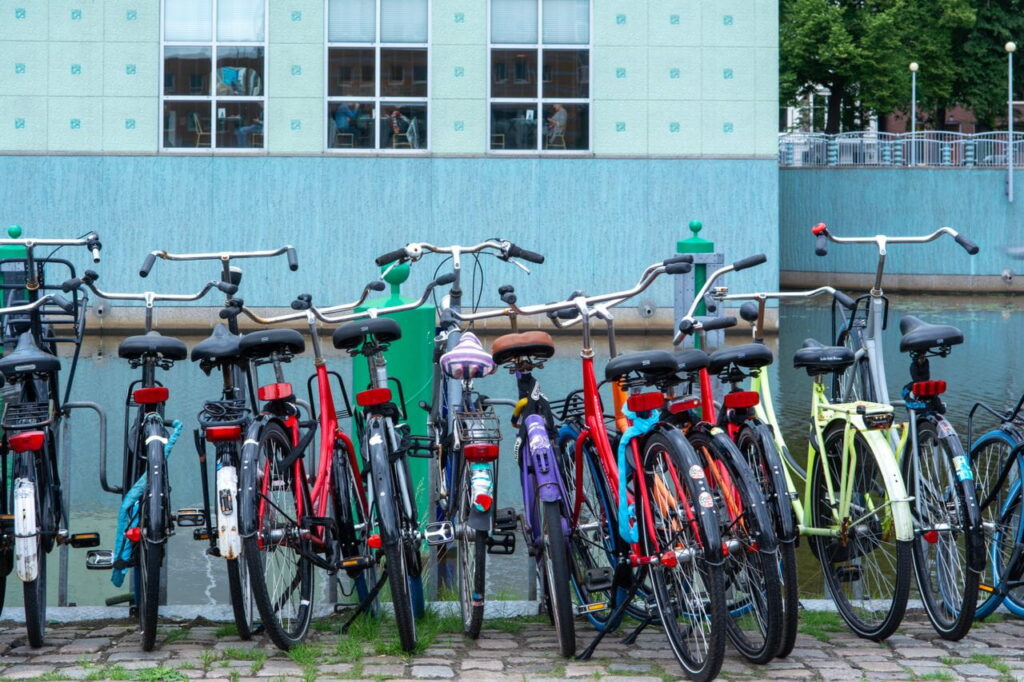
Buying a Used Road Bike
A road bike is designed for speed, efficiency and longer rides on tarmac. Road bikes usually have lightweight frames, narrow tyres and drop handlebars.
A used road bike may be ideal if you want to ride for fitness, cover longer distances or take part in club rides, sportives or charity cycling events.
When buying a second hand road bike, check:
- Frame material, especially if it is carbon fibre
- Wheel condition and rim wear
- Gear shifting across the full cassette
- Brake performance
- Chain and drivetrain wear
- Tyre condition
- Whether the frame size suits your height and riding position
Carbon road bikes need particularly careful inspection. Look for cracks, impact marks, soft spots or unusual paint damage, especially around the head tube, bottom bracket, seat stays and chain stays.
Buying a Used Mountain Bike
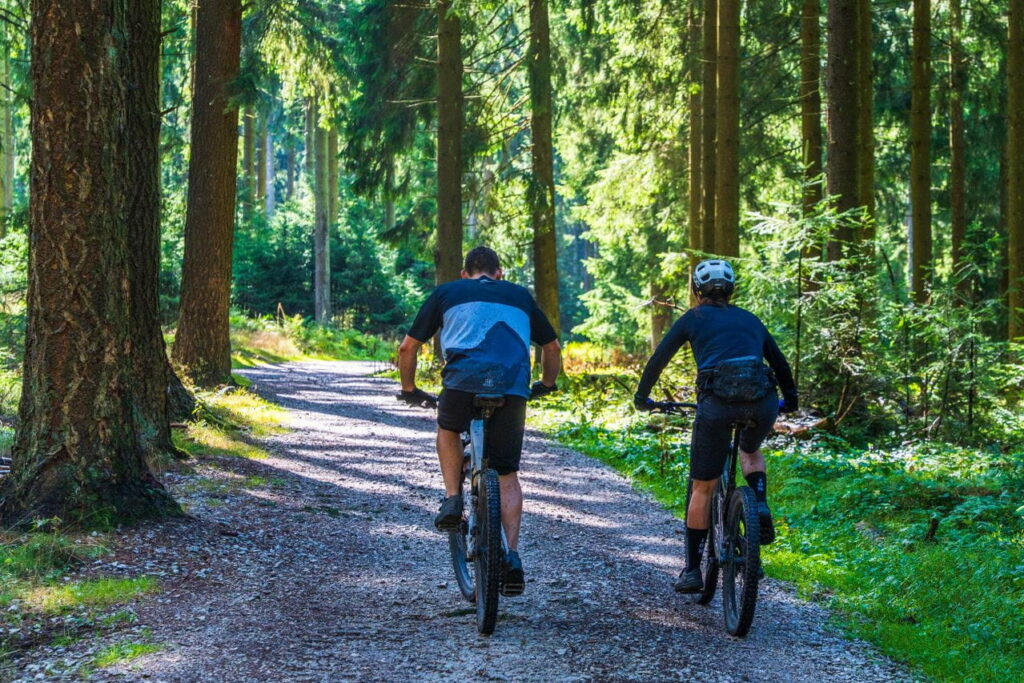
Mountain bikes are built for rougher ground, trails and off-road riding. They usually have wider tyres, stronger frames, lower gears and suspension.
A second hand mountain bike can be a good option if you plan to ride woodland trails, bridleways, gravel paths or more technical terrain.
- Forks and rear suspension, if fitted
- Frame cracks or dents
- Wheel alignment and spoke tension
- Brake power, especially on descents
- Tyre tread and sidewall condition
- Chain, cassette and chainring wear
- Play in the headset, bottom bracket or wheel bearings
A hardtail mountain bike has front suspension only and is often simpler, lighter and cheaper to maintain. A full-suspension mountain bike can be more capable off-road but may cost more to service.
Buying a Used Hybrid Bike
Hybrid bikes are one of the most practical choices for everyday cycling. They combine features from road bikes and mountain bikes, usually with flat handlebars, a comfortable riding position and medium-width tyres.
A used hybrid bike is often ideal for commuting, leisure rides, fitness cycling and general use.
When buying a second hand hybrid bike, check:
- Whether the riding position feels comfortable
- Tyre width and condition
- Brake and gear performance
- Mounting points for mudguards and racks
- Wheel condition
- Frame size
- Signs of regular commuter wear
If you want one bike for work, fitness and weekend rides, a hybrid bike is often the best all-round choice.
Buying a Used BMX Bike
BMX bikes are compact, strong and designed for tricks, skate parks, racing or short-distance riding. They are not usually the best choice for longer rides or commuting, but they can be great for younger riders and freestyle cycling.
When buying a used BMX, check:
- Frame and fork condition
- Cracks around welds
- Wheel strength
- Tyre condition
- Brake setup, if fitted
- Handlebar and stem tightness
- Crank and pedal condition
Because BMX bikes are often used for jumps and tricks, it is important to inspect them carefully for impact damage.
Buying a Used Children’s Bike
A second hand children’s bike can be a sensible purchase because children often outgrow bikes quickly. However, safety and size are especially important.
When buying a used kids’ bike, check:
- The bike is the right size now, not just something to “grow into”
- The child can reach the brakes easily
- The bike is not too heavy
- The tyres are in good condition
- The brakes work properly
- The saddle and handlebars can be adjusted
- There are no sharp edges, cracks or damaged parts
Children’s bikes are usually sized by wheel diameter, such as 12-inch, 16-inch, 20-inch or 24-inch wheels. A properly sized bike will help a child feel more confident and in control.
Buying a Used Cyclocross or Gravel Bike
Cyclocross and gravel bikes are designed for mixed terrain. They often look similar to road bikes but have wider tyres, more clearance and stronger frames.
A used cyclocross or gravel bike may be a good choice if you want a fast bike that can handle roads, towpaths, gravel tracks and light off-road routes.
Check:
- Tyre clearance
- Disc brake condition
- Frame and fork damage
- Wheel strength
- Gear range
- Mudguard and rack mounts, if needed
These bikes can make excellent all-rounders, especially for riders who want more versatility than a traditional road bike.
Buying a Used Fixie or Single Speed Bike
Fixie and single speed bikes have fewer moving parts than geared bikes, which can make them simple and low maintenance. They are often popular for city riding and short commutes.
A single speed bike has one gear and usually freewheels normally. A fixed-gear bike, or fixie, does not freewheel in the same way, so the pedals continue to turn when the rear wheel moves.
When buying a used fixie or single speed bike, check:
- Chain tension
- Brake setup
- Wheel condition
- Tyre wear
- Frame size
- Crank and bottom bracket condition
If you are new to cycling, a standard single speed may be easier to live with than a fixed-gear bike.
Buying a Used Electric Bike
Electric bikes, also known as e-bikes, can be excellent for commuting, hills, longer rides and riders who want extra assistance. Buying a second hand electric bike can save money, but it requires extra checks.
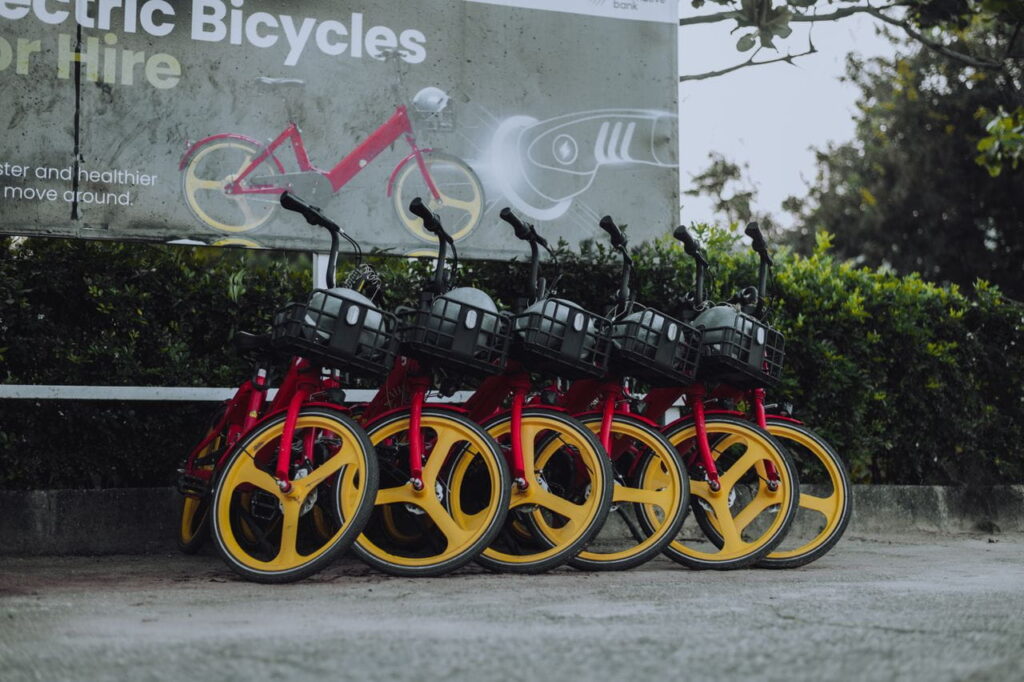
- Battery age and condition
- Battery range on a full charge
- Whether the original charger is included
- Motor performance
- Display and controls
- Wiring and connectors
- Brake condition
- Overall weight and handling
- Service history
The battery is one of the most expensive parts of an e-bike, so ask how long it lasts and whether it has been stored and charged correctly.
For use on UK public roads, most electrically assisted pedal cycles need working pedals, a motor with a continuous rated power output of no more than 250 watts, and electrical assistance that cuts off at 15.5mph. GOV.UK provides the official rules for electric bikes and electrically assisted pedal cycles.
Be cautious with modified e-bikes or models that exceed legal limits, especially if you plan to use the bike on public roads or cycle paths.
Buying a Used Folding Bike
Folding bikes are ideal for commuting, city riding and combining cycling with public transport. They are also useful if you have limited storage space at home or work.
When buying a used folding bike, check:
- The folding mechanism
- Frame hinges and locking points
- Wheel condition
- Tyres
- Brakes
- Gears
- Seatpost and handlebar adjustments
- Signs of play or looseness when unfolded
A good folding bike should feel secure and stable when locked into riding position.
How to Choose the Right Size Used Bike
Choosing the right size second hand bike is just as important as checking its condition. A bike that is too big or too small can be uncomfortable, inefficient and harder to control.
Bike sizes vary by type and brand. Road bikes are often measured in centimetres, mountain bikes may be measured in inches or sizes such as small, medium and large, while children’s bikes are usually measured by wheel size.
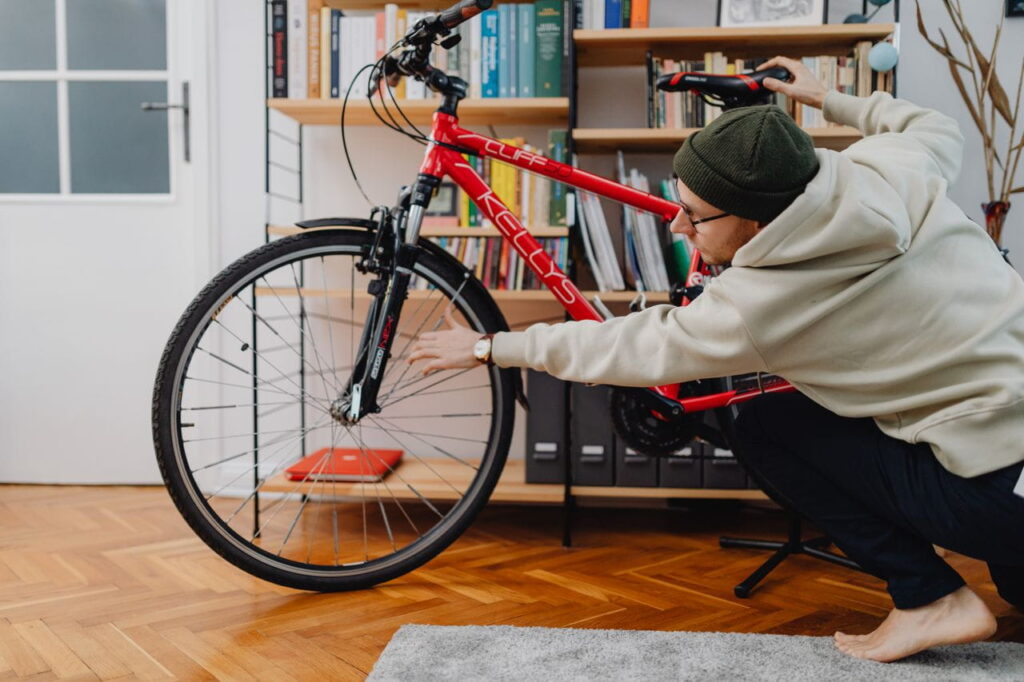
- Your height
- Your inside leg measurement
- The frame size
- Standover height
- Reach to the handlebars
- Saddle height adjustment
- Manufacturer size guidance, if available
You should be able to stand over the bike comfortably and reach the handlebars without feeling overstretched. On a test ride, the bike should feel stable, easy to control and comfortable.
Do not buy a bike that is clearly the wrong size just because it is cheap. Poor fit can quickly make cycling uncomfortable.
Used Bike Condition Checklist
Once you have chosen the right type and size of bike, inspect the condition carefully. Some wear is normal on a second hand bike, but damage or badly worn components can become expensive.
How to Check the Frame
The frame is the heart of the bike. Look closely for cracks, dents, rust, bubbling paint or signs of impact damage.
Pay particular attention to:
- Welds
- Head tube
- Bottom bracket area
- Seat tube
- Chain stays
- Seat stays
- Forks
Small scratches and paint chips are common on used bikes. Cracks, deep dents or signs of bending are more serious.
If you are looking at a carbon frame, be extra careful. Carbon damage can be difficult to spot and may not always look dramatic.
How to Check the Seatpost and Saddle
Check that the seatpost can move up and down and has not seized inside the frame. A stuck seatpost can be difficult and costly to fix.
Also check the saddle rails, seat clamp and overall saddle condition. A worn saddle is easy to replace, but damage around the seatpost or frame should be taken more seriously.
How to Check the Headset and Forks
The headset connects the fork and handlebars to the frame. Hold the front brake and gently rock the bike backwards and forwards. If you feel knocking or looseness, the headset may need adjustment or replacement.
Check the forks for cracks, bends, rust or impact marks. On suspension forks, look for oil leaks, scratches on the stanchions and smooth movement.
How to Check the Wheels and Tyres
Spin each wheel and watch whether it runs straight. A small wobble may be fixable, but a badly buckled wheel could need replacing.
Check for:
- Loose or broken spokes
- Dents in the rims
- Worn rim brake surfaces
- Cracks around spoke holes
- Smooth wheel bearing movement
- Tyre cuts, cracks or bulges
Tyres are a normal wear item, but if they need replacing, include that cost in your budget.
How to Check the Brakes
Good brakes are essential. Pull both brake levers and make sure they feel firm and responsive.
For rim brakes, check that the pads are not heavily worn and that they contact the rim properly.
For disc brakes, check the rotor condition, pad wear and whether the brakes rub or squeal excessively. Hydraulic disc brakes should feel powerful and consistent, not spongy.
Never ignore poor brakes. If the bike does not stop properly, it should be repaired before regular use.
How to Check the Chain, Cassette and Gears
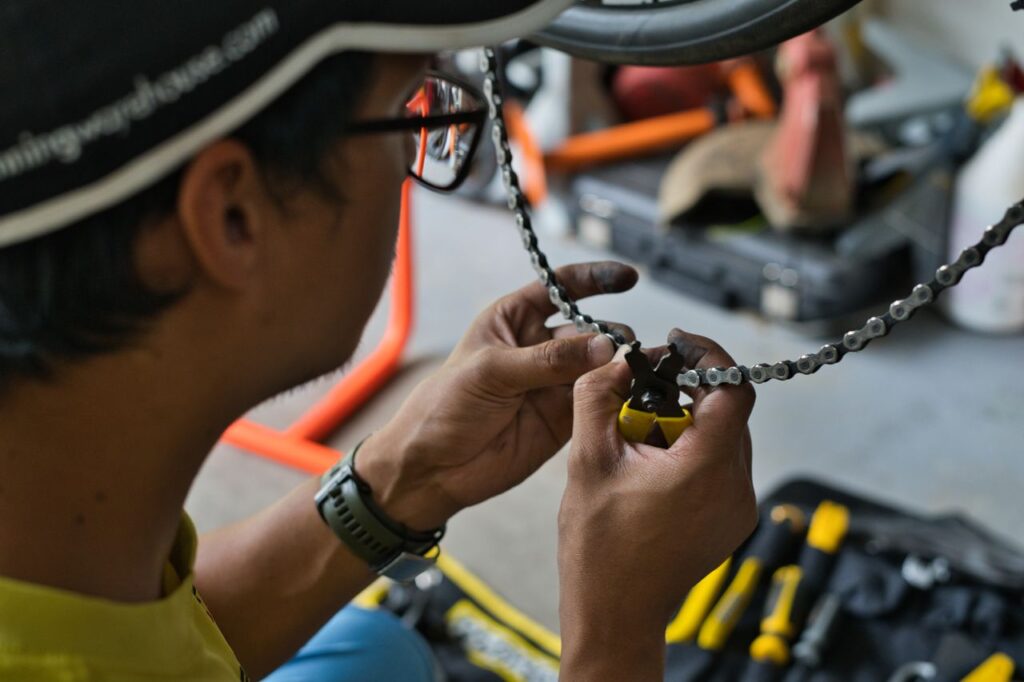
The drivetrain includes the chain, cassette, chainrings, derailleurs and shifters. These parts wear with use and can be expensive to replace together.
Shift through all the gears while pedalling. The chain should move smoothly without skipping, slipping or grinding.
Look for:
- Rust on the chain
- Stiff chain links
- Sharp or hooked cassette teeth
- Noisy shifting
- Bent derailleur hanger
- Excessive dirt or lack of maintenance
A dirty chain is not necessarily a deal-breaker, but a heavily worn drivetrain should affect the price.
How to Check the Cables
Many bikes use cables for braking and gear shifting. Over time, cables can stretch, rust or become sticky.
Check whether the brakes and gears respond quickly when you use the levers. If the cables feel stiff, slow or rough, they may need replacing.
Cable replacement is usually manageable, but it is still worth considering as part of the overall cost.
How to Check Suspension
If the bike has front or rear suspension, push down on it and make sure it moves smoothly. It should not stick, leak oil or make unusual knocking sounds.
Suspension repairs and servicing can be expensive, especially on full-suspension mountain bikes. If the suspension feels poor, ask when it was last serviced.
How to Check a Second Hand Bike Is Not Stolen
Stolen bikes can appear on the second hand market, so it is worth taking a few basic precautions before buying.
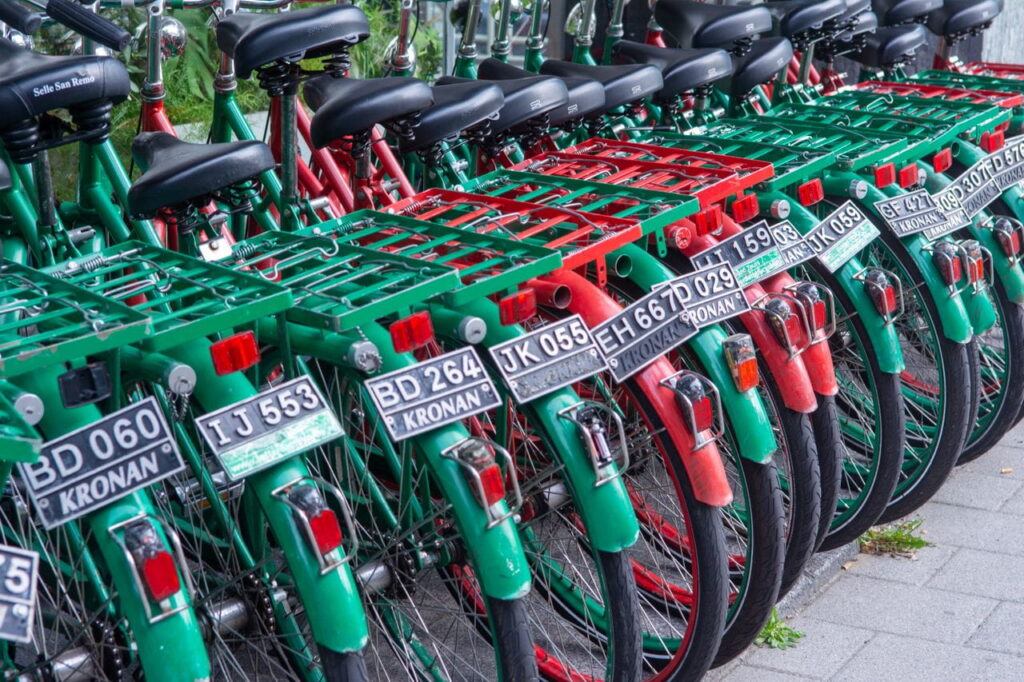
- Do they have proof of purchase?
- How long have they owned the bike?
- Why are they selling it?
- Do they know the bike’s frame number?
- Has the bike been registered?
Most bikes have a frame number stamped into the frame, often underneath the bottom bracket near the pedals. Check that the number has not been scratched off, covered or tampered with.
Be cautious if:
- The price seems far too low
- The seller cannot answer basic questions
- The frame number is missing or damaged
- The seller is rushing the sale
- The photos or description seem vague
- The bike appears to have mismatched or unusual parts
If something feels wrong, walk away. There will always be other used bikes available.
Questions to Ask Before Buying a Used Bike
Before committing to a second hand bike, ask the seller some simple questions:
- What size is the bike?
- How old is it?
- How often has it been used?
- Has it ever been crashed?
- Has it been stored indoors or outdoors?
- When was it last serviced?
- Have any parts been replaced?
- Are there any known faults?
- Is proof of ownership available?
- Is the price negotiable if repairs are needed?
A genuine seller should be able to answer clearly and honestly.
Used Bike Test Ride Checklist
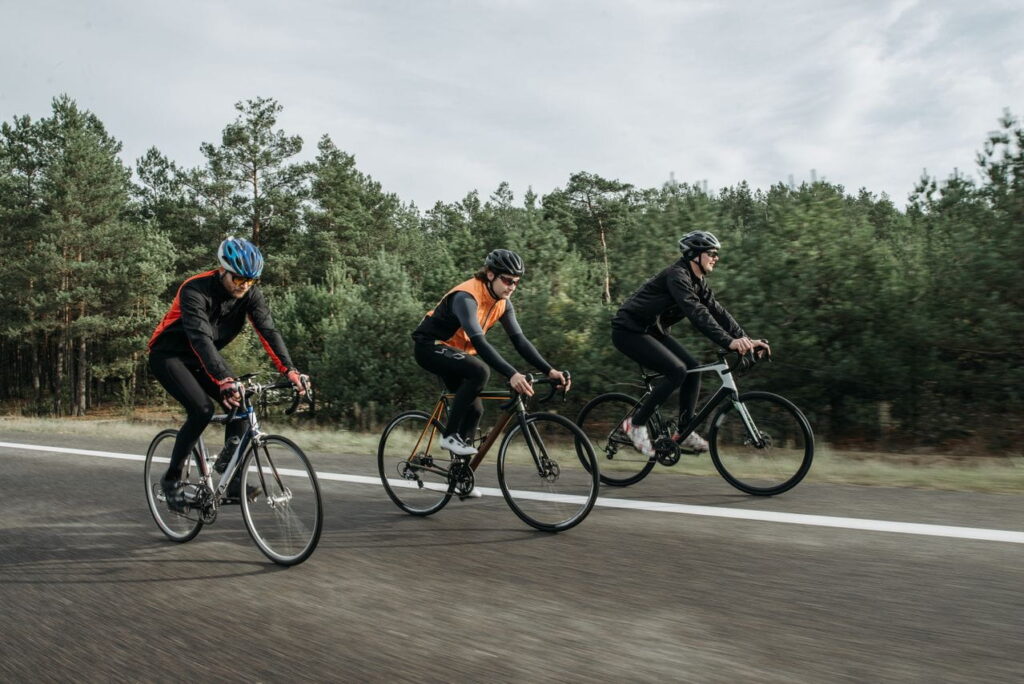
Where possible, take the bike for a short test ride before buying. A test ride can reveal issues that are not obvious when the bike is standing still.
- The bike feels the right size
- The brakes stop the bike safely
- The gears shift smoothly
- The bike rides straight
- There are no unusual creaks or knocks
- The wheels feel stable
- The saddle and handlebars feel comfortable
- The steering feels smooth
- The pedals turn freely
Listen carefully for clicking, grinding or rattling noises. Some may be minor, but they can also point to worn components.
How Much Should You Spend on a Second Hand Bike?
The right budget depends on the type of bike, brand, age, condition and specification.
A basic used hybrid or children’s bike may be relatively affordable, while a quality road bike, mountain bike, folding bike or electric bike may cost significantly more.
When comparing prices, consider:
- Original retail price
- Age of the bike
- Brand reputation
- Frame material
- Groupset or component level
- Condition
- Recent servicing
- Accessories included
- Likely repair costs
The cheapest bike is not always the best value. A slightly more expensive used bike in excellent condition may be better than a cheaper one that needs immediate work.
Final Thoughts
Buying a second hand bike can be a great way to get more for your money, but it pays to check carefully before you buy.
Start by choosing the right type of bike for your riding. Then make sure it is the correct size, inspect the frame and components, ask the right questions and take a test ride where possible.
A good used bike should feel safe, comfortable and suitable for the way you want to ride. With the right checks, you can find a second hand bike that offers excellent value and many miles of enjoyable cycling.

Frequently Asked Questions About Buying a Second Hand Bike
Is it worth buying a second hand bike?
Yes, buying a second hand bike can be worth it if the bike is the right size, in good condition and fairly priced. It can allow you to buy a better-quality bike for less than the cost of a new model.
What should I check before buying a used bike?
Check the frame, wheels, tyres, brakes, gears, chain, cassette, saddle, handlebars, suspension if fitted, and proof of ownership. You should also check that the bike is the right size.
How do I know if a second hand bike is the right size?
Check the frame size, standover height, reach and saddle adjustment. A test ride is the best way to confirm whether the bike feels comfortable and easy to control.
How can I tell if a used bike is stolen?
Ask for proof of ownership, check the frame number and be wary of sellers who cannot answer basic questions. Avoid bikes with missing or damaged frame numbers or prices that seem too good to be true.
Are second hand electric bikes worth buying?
Second hand electric bikes can be worth buying, but you should carefully check the battery, charger, motor, display, brakes and service history. Battery replacement can be expensive, so battery condition is very important.
What is the best second hand bike for commuting?
For many riders, a used hybrid bike is the best all-round commuter option. It offers comfort, control and practicality. Road bikes may be better for longer, faster commutes, while folding bikes are useful for public transport and limited storage.
Should I buy a used road bike or hybrid bike?
Choose a used road bike if speed and longer road rides are your priority. Choose a used hybrid bike if you want comfort, practicality and a more upright riding position for commuting or everyday use.
Is it safe to buy a carbon bike second hand?
It can be safe, but carbon frames need careful inspection. Look for cracks, impact marks, soft spots or unusual paint damage. If you are unsure, have the bike checked by a professional before buying.
What questions should I ask when buying a used bike?
Ask about the bike’s age, size, service history, previous damage, storage, replacement parts, reason for sale and proof of ownership.
Should I test ride a second hand bike?
Yes, if possible. A test ride helps you check the size, comfort, brakes, gears, steering and any unusual noises before buying.